GEMSTONES AND THEIR HEALING PROPERTIES
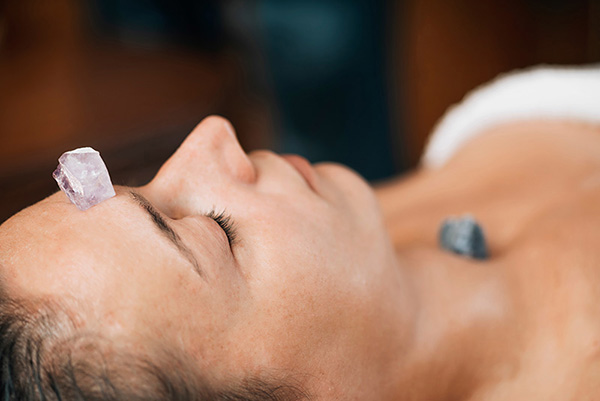
In the wild, there is a documented phenomenon of animals consuming particular minerals. It was noticed among wolves, dears, elks, etc.
It was suggested that animals lick salt as their food may lack sodium. However, it was discovered that the stones consumed by the animals
often don't have any salt. Apparently the animals ingest something else from stones. Human beings are no exception.
For example, the "mineral"
or "source" water we drink nowadays has a very particular mineral content, depending on its specific source. This tiny amount of minerals may
have a considerable effect on our health.
PSYCHOTHERAPY OF COLOR
One of the sides of the healing power of gemstones is related to the psychotherapy of color. It is known that colors affect our brain, and through it - our whole body. Color affects people even when their eyes are closed. In the environment of bright-red color pulse becomes more frequent; in the environment of various shades of dark blue color it is slowed down, and drowsiness installs. For people with heart disease green color has a healthy effect, skin illnesses recover faster under yellow shade, and patients in dark blue chambers feel their headaches relieved.

In the context of color psychology, red is a fascinating and complex color with various psychological associations and effects on human emotions and behavior.
Red color is stirring up, stimulating, vivifying. It promotes erythrocytes' formation and normalizes low blood pressure, boosts immune system.
Here are some popular red gemstones: Ruby, Garnet (Pyrope), Red Spinel, Red Tourmaline (Rubellite), Red Beryl (Bixbite), Red Coral, Red Jasper
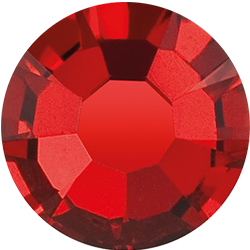

Orange is a color that combines the energy and warmth of red with the joy and optimism of yellow.
Orange color stirs up activity of the endocrine gland, promotes strengthening of pulmonary tissue.
Here are some examples of orange gemstones:
Fire Opal, Citrine, Orange Sapphire, Spessartine Garnet, Sunstone, Padparadscha Sapphire.
These are just a few examples of orange gemstones. Each gemstone has its own unique characteristics, beauty, and metaphysical properties, making them desirable for
various types of jewelry and collections.
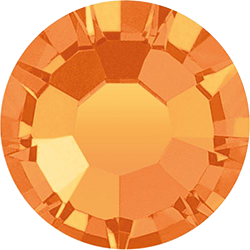

Yellow is often associated with feelings of optimism, happiness, and positivity. It is a color that stimulates creativity, innovation, and inspiration.
Yellow is also associated with mental clarity, intellect, and logical thinking. Yellow is a color that is often associated with energy, vitality, and enthusiasm.
In psychotherapy, the color yellow might be explored in the context of personal growth, empowerment, and self-discovery.
Yellow - strengthens nervous system, increases excretion of gastric juice and improves digestion.
Here are some examples of yellow gemstones: Yellow Sapphire, Citrine, Yellow Diamond, Yellow Beryl (Heliodor), Yellow Garnet, Yellow Tourmaline, Yellow Opal.

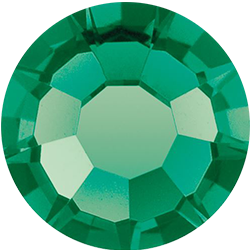
Green is often associated with nature, tranquility, and relaxation. Green is the color of renewal and growth, symbolizing new beginnings and transformation.
Green is a balanced color, combining the calming properties of blue with the energizing qualities of yellow. In psychotherapy, green can be used to
promote emotional balance and harmony.
Green color accelerates formation and growth of cells, promotes regeneration of tissues and formation of muscular fibres,
increases protective properties of the body, calms mind and normalizes heartbeat.
Here are some examples of green gemstones: Emerald, Jade, Peridot, Green Tourmaline, Chrysoprase, Green Aventurine.

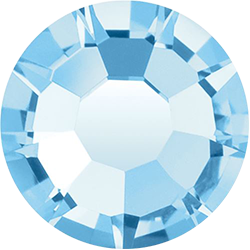
Blue is commonly associated with feelings of calmness, serenity, and relaxation, as well as with clear communication and self-expression, hope and inspiration,
spirituality, intuition, and transcendence.
Blue color is inconsistent. It calms down vigorous people and normalizes their blood pressure and heartbeat.
For shy person blue is a color of a deep shock.
Here are some examples of blue gemstones: Sapphire, Aquamarine, Blue Topaz, Tanzanite, Lapis Lazuli, Blue Tourmaline (Indicolite), Kyanite, Blue Agate.

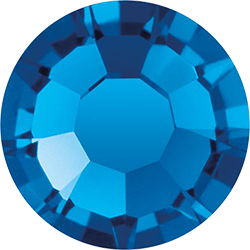
Dark blue is often associated with stability, security, and trustworthiness. It is a color that encourages introspection and deep thought.
It is often associated with emotional depth, wisdom, and insight. Dark blue is a calming and soothing color that promotes relaxation and tranquility.
Dark blue color raises vital force of the body, promotes restoration of the nervous system, strengthens ability
to concentrate and may even contain absent-mindedness.
Here are some examples of dark blue gemstones: Sapphire, Blue Tourmaline (Indicolite), Azurite.

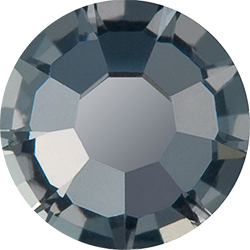
Grey is a complex color that can evoke feelings of ambiguity and uncertainty. Grey is sometimes associated with introspection and contemplation.
Grey is often associated with resilience and adaptability, as it can be seen as a blend of opposing forces.
Grey color may cause apathy.
Here are some examples of grey gemstones: Moonstone, Pearl, Labradorite, Chalcedony, Agate.
Many of us had once this experience: we owned a piece of jewellery for a long time but didn't consider it as something “special”.
Then one day it is lost. We begin to search for it relentlessly - not that we regret the money paid, but we suddenly miss the gem -
which already started to influence us.
Its loss is a loss of energy source.